Foods You Should Never Give a Rabbit
Which foods are genuinely toxic to rabbits, which are merely harmful, and exactly what to do if your rabbit eats something it should not have.
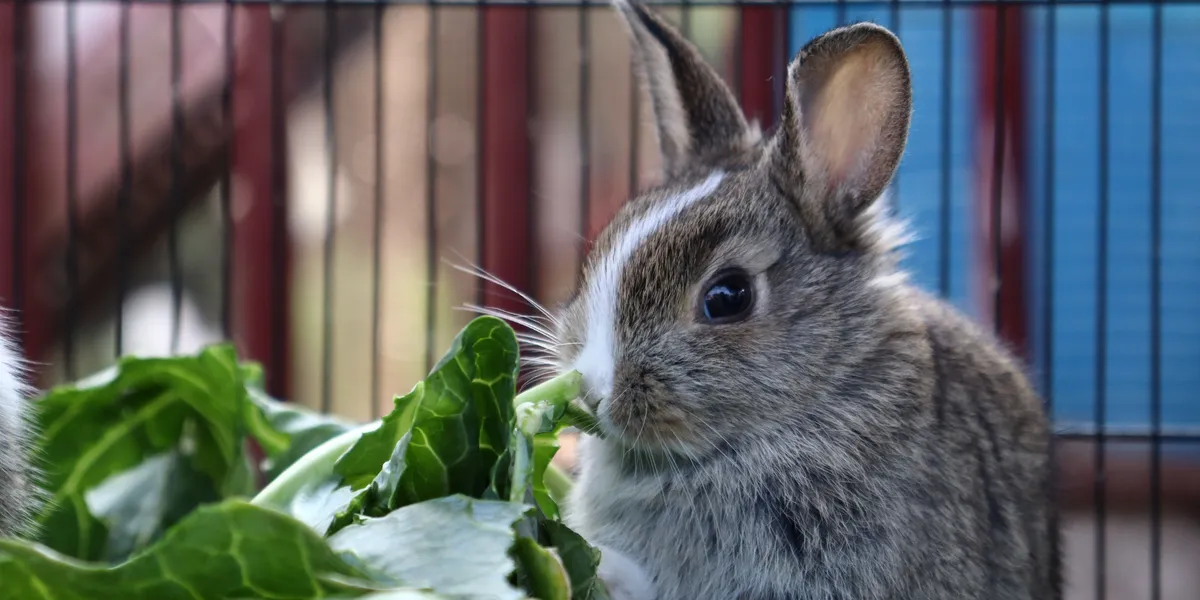
If your rabbit has just eaten something on this list, call a rabbit-savvy vet or an emergency exotics clinic now. Don’t wait to see whether symptoms develop. Skip to what to do right now.
For everyone reading this sensibly in advance rather than in a panic: the danger splits into two quite different categories. Some foods are genuinely poisonous. Others aren’t toxic in the slightest and can still kill a rabbit by wrecking its gut. Both matter, and what you do about them differs.
Why rabbits are especially vulnerable
Rabbits cannot vomit. There’s no reflex to bring anything back up. Once something is swallowed, it goes through the digestive tract — which means an ingested toxin can’t be expelled the way a dog or cat might expel it, and it’s why you must never try to induce vomiting in a rabbit.
Their gut is also a finely balanced fermentation system. It depends on a specific bacterial population that’s easily disrupted, and when that balance tips, the consequences escalate fast.
Genuinely toxic foods
These are actual poisons. Any amount warrants a call to your vet.
| Food | Why |
|---|---|
| Chocolate | Theobromine — toxic to rabbits as it is to dogs |
| Avocado | Contains persin; all parts are considered unsafe |
| Onion, garlic, leeks, chives | The entire allium family is toxic to rabbits |
| Rhubarb leaves | High oxalic acid |
| Nightshade leaves and stems | Includes tomato and potato foliage — fruit flesh differs from foliage |
| Fruit pits and apple seeds | Contain cyanogenic compounds |
| Spicy peppers | Not suitable for a herbivore gut |
| Essential oils | Toxic, including via skin and inhalation |
Foods that aren’t toxic but are still dangerous
This is the category everyone underestimates, and it does more damage than the actual poisons — for the straightforward reason that nobody feeds their rabbit avocado on purpose, but plenty of people hand over a bit of toast.
- Bread, pasta, crackers, cereal, and baked goods
- Yogurt drops and other dairy — rabbits are strict herbivores
- Candy and sugary human snacks
- Nuts and seeds — high fat, and a choking and blockage risk
- Muesli-style rabbit mixes — the seed-and-corn blends sold in pet shops
- Many packaged pet store treats — read the ingredients before you trust the packaging
The mechanism matters here. Research suggests these foods can contribute to enterotoxaemia — a toxic overgrowth of harmful bacteria in the rabbit’s intestinal tract, driven by too much sugar and starch reaching the hindgut. It can be fatal.
So “it’s only a bit of bread, it’s not poison” is technically true and entirely beside the point. The problem was never toxicity. It’s what sugar and starch do to a fermentation system that evolved to run on grass.
Plants: assume the worst
The Rabbit Welfare Association & Fund’s guidance is blunt and worth adopting: treat all houseplants as toxic and keep them where rabbits can’t reach.
Particular dangers:
- Anything grown from a bulb — daffodils, tulips, hyacinths, bluebells, crocuses, snowdrops
- Common garden plants — foxglove, buttercup, yew, holly, ivy, privet, nightshade, monkshood, delphinium, hellebore, poppy, periwinkle, primrose, comfrey
- Seasonal plants — poinsettia, mistletoe berries, oleander
There’s a critical detail here that changes how you should react. Per the RWAF, many plant toxins don’t produce immediate symptoms — they accumulate in the organs over time, and by the time signs appear, it can already be too late to intervene.
That’s precisely why “he seems fine” is not reassurance after a rabbit eats an unknown plant.
The iceberg lettuce myth
You’ll see iceberg lettuce on nearly every “toxic foods” list, sometimes with alarming headlines about it killing rabbits. That framing is wrong, and it’s worth correcting.
Iceberg lettuce contains lactucarium, a compound with mild sedative properties — but only in trace amounts. Wild lettuce has far higher concentrations. Vets who specialize in rabbits are clear that a few leaves of iceberg won’t harm a rabbit, and it isn’t classed as a toxin.
The real problem with iceberg is that it’s nutritionally empty. It’s mostly water, with very little fiber, vitamins, or minerals. Feeding it isn’t poisoning your rabbit; it’s wasting an opportunity to feed something genuinely nutritious.
So: don’t panic if your rabbit stole a bit of iceberg off your plate. Do choose romaine, green leaf, red leaf, or herbs instead — see fresh foods for rabbits.
We flag this because a list that cries wolf about lettuce trains people to discount the entries that genuinely are emergencies. Chocolate and iceberg lettuce do not belong in the same category.
The plants worth knowing by name
“Treat all houseplants as toxic” is the right default, but a few deserve naming because they’re so common in homes and gardens.
Indoors: poinsettia, mistletoe berries, ivy, philodendron, dieffenbachia, aloe, and most flowering gift plants. Cut flowers count too — a bouquet on a low table is within reach of a rabbit that stands up.
Bulbs — the whole category. Daffodil, tulip, hyacinth, bluebell, crocus, snowdrop. Bulbs are generally the most concentrated part, and stored bulbs in a garage or shed are a real hazard.
Garden plants: foxglove, buttercup, yew, holly, privet, oleander, monkshood, delphinium, hellebore, poppy, periwinkle, primrose, comfrey, and nightshade.
Trees: fresh stone fruit wood (cherry, plum, peach, apricot) contains cyanogenic compounds, though it becomes safe to chew after drying for a month or more. See why does my rabbit chew everything.
If you can’t identify a plant, treat it as unsafe until you can.
Non-food hazards worth the same caution
Poisoning cases often aren’t about food at all:
- Fipronil flea treatments (Frontline and similar) — not licensed for rabbits and potentially fatal. This includes secondhand exposure from a recently treated dog or cat whose application site is still wet. See why is my rabbit losing fur.
- Human painkillers — many are toxic to rabbits. Never medicate without veterinary direction.
- Cleaning products, including residue on floors your rabbit walks and then grooms off its feet.
- Essential oils and diffusers.
- Rodent bait and slug pellets — lethal, and specifically designed to be palatable.
- Painted, varnished, or pressure-treated wood.
- Cigarette ends, and cannabis in any form.
What to do if your rabbit eats something dangerous
- Call a rabbit-savvy vet or emergency exotics clinic immediately. Same day. Don’t wait for symptoms — for plant toxins especially, symptoms can appear only after damage is done.
- Never try to induce vomiting. Rabbits physically cannot vomit, and attempting it causes harm.
- Identify what and how much. Keep the packaging, or a sample or photo of the plant. Naming the plant is genuinely useful to the vet.
- Remove the rest so nobody eats more, and check whether a bonded partner also had access.
- Don’t self-treat. Skip home remedies, and don’t give gut motility drugs or syringe feed without veterinary direction — the right treatment depends on what was eaten.
- Watch appetite and droppings closely. Not eating, or a drop in droppings, means go in now. See why is my rabbit not eating.
Keep your vet’s number and a 24-hour exotics clinic number somewhere you can find them at 2am. See how often should rabbits see a vet.
Prevention
Most poisoning cases are access problems, not feeding mistakes.
- Move houseplants out of reach entirely — not just “up a bit.”
- Rabbit-proof before free-roam time, including behind and under furniture.
- Keep bags, bins, and groceries off the floor.
- Brief guests and children that rabbits don’t get table scraps.
- Check any new plant before it enters a room your rabbit uses.
See why does my rabbit chew everything — a rabbit will taste-test almost anything, and that’s normal behavior rather than misbehavior.
Frequently asked questions
Can rabbits eat carrots? Yes, but as an occasional treat, not a staple. Carrots are high in sugar. The cartoon image of the carrot-munching rabbit has done real damage to rabbit diets.
Are apples safe for rabbits? The flesh is fine in small amounts. Remove the seeds and core — apple seeds contain cyanogenic compounds.
Are tomatoes safe? A small piece of ripe tomato flesh is fine. The leaves, stems, and green parts are nightshade foliage and are toxic.
What if my rabbit ate a tiny amount and seems fine? Call anyway, particularly for plants. Delayed-onset toxins are the reason “seems fine” isn’t reassurance. A phone call costs nothing.
Can rabbits eat meat or dairy? No. Rabbits are strict herbivores. Their digestive system has no way to process animal products.
The short version: hay, greens, a measured portion of plain pellets, water. Nearly everything that harms a pet rabbit’s diet is something a well-meaning human decided to add to it. See what should my rabbit eat.
Sources: Poisonous or Dangerous Foods, San Diego House Rabbit Society; Plants Poisonous to Rabbits, Rabbit Welfare Association & Fund.
← All posts